La Palma, the green island
The locals call it La Isla Bonita, the beautiful island. Once you've been here, you understand why.
Why La Palma of all places?
La Palma is the north-westernmost of the Canary Islands and also the greenest. There are pine forests, laurel forest, volcanic cones, black beaches and small villages where life still moves slowly. There's no mass tourism, and only very few big hotel complexes.
The Canaries are part of the EU. You pay in euros, EU citizens need no visa and are covered with their European Health Insurance Card just like at home. An ID card is enough.
By the way: La Palma is not Palma. Palma de Mallorca is in the Mediterranean; we are in the middle of the Atlantic, about 400 kilometres off the coast of Africa. Nor is it Las Palmas, which is the capital of Gran Canaria. La Palma, airport SPC, San Miguel de La Palma, is "the one with the volcano", usually meaning Tajogaite, which erupted in 2021 and cut a swathe through to the island's west coast.
Islands of eternal spring: the climate
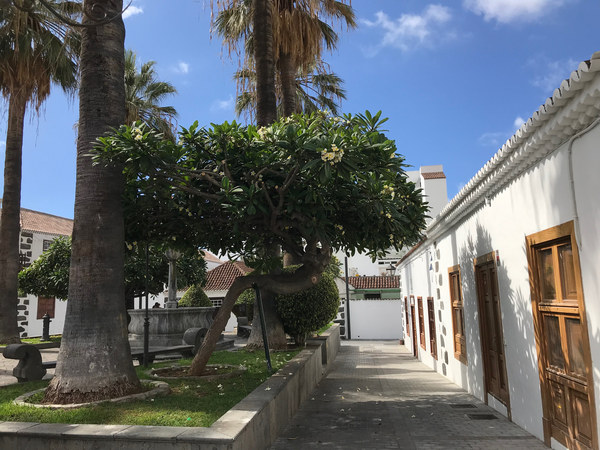
There's no real winter in the Canaries. Air temperatures are usually between 18 and 28 degrees all year, the water between 18 and 24 degrees. While it's grey and wet back home, you're sitting in the sun here.
That said, the weather on La Palma can vary a lot from place to place. With four climate zones in such a small space, you can hardly talk about "the weather on La Palma" without saying exactly where.
While it's warm by the sea all year round, the higher villages can get quite chilly in winter. Bear that in mind when choosing your accommodation.
What awaits you underwater
La Palma is a young volcanic island. Underwater that means lava formations, arches, caves and walls that drop quickly into the depths. The Atlantic is clear; visibility of 20 to 30 metres is not unusual.
You'll meet barracudas, trumpetfish, moray eels, rays, groupers and, with a bit of luck, turtles or even a mobula ray. Just as steeply as the island rises out of the water, it carries on underwater. That's why the dive sites are right on the coast and are usually dived from the shore.
La Palma above water
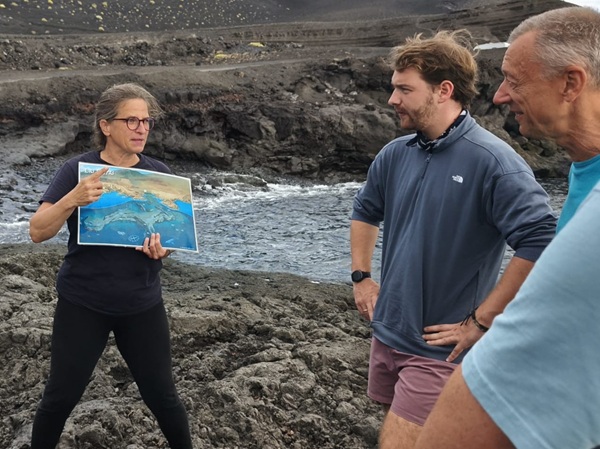
Between two diving days, or after your last dive before flying home, there's plenty to do on La Palma. A selection:
Hiking
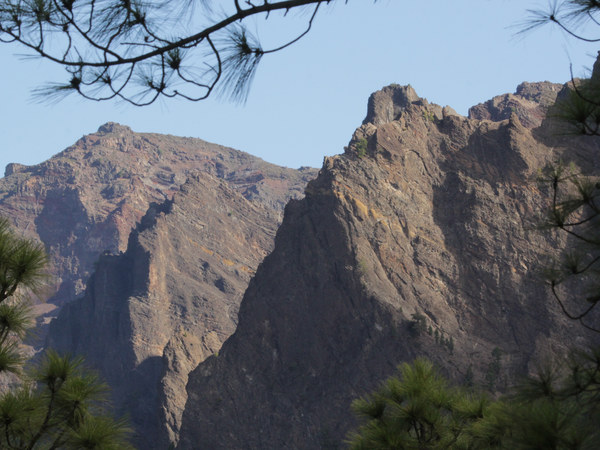
La Palma has more than 1,000 kilometres of waymarked hiking trails. The best known lead through the Caldera de Taburiente, along the Volcano Route in the south or through the Los Tilos laurel forest in the north-east.
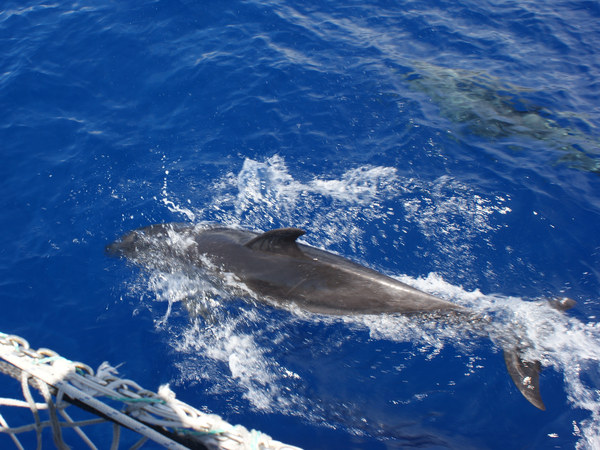
Whale watching
Pilot whales, dolphins and, depending on the season, larger whales live off La Palma. Trips leave from Puerto de Tazacorte, for example on the boats Bussard and Flipper.
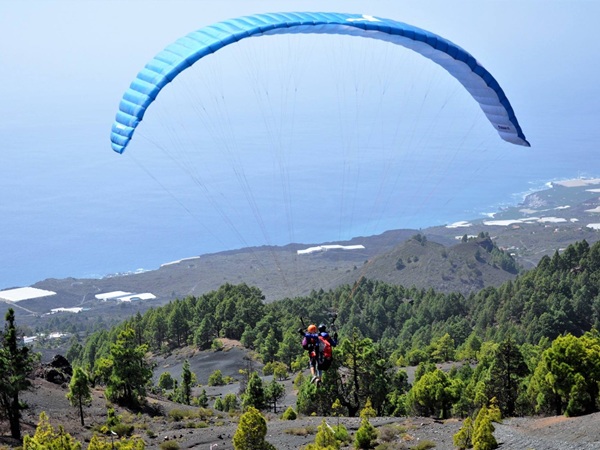
Paragliding
If you're adventurous enough, you can also see La Palma from the air. From the slopes above the Aridane valley you can fly tandem all the way down to the coast.
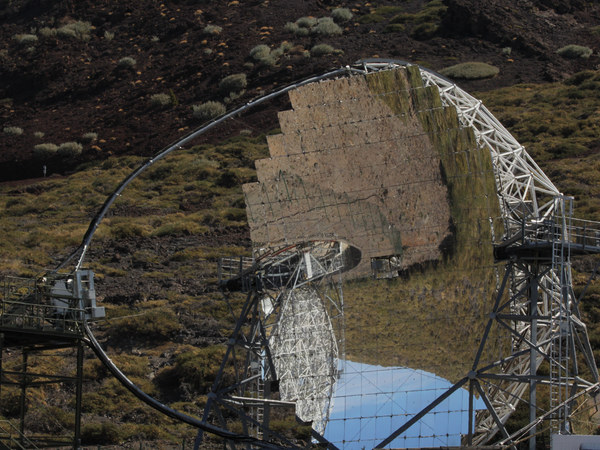
Stars
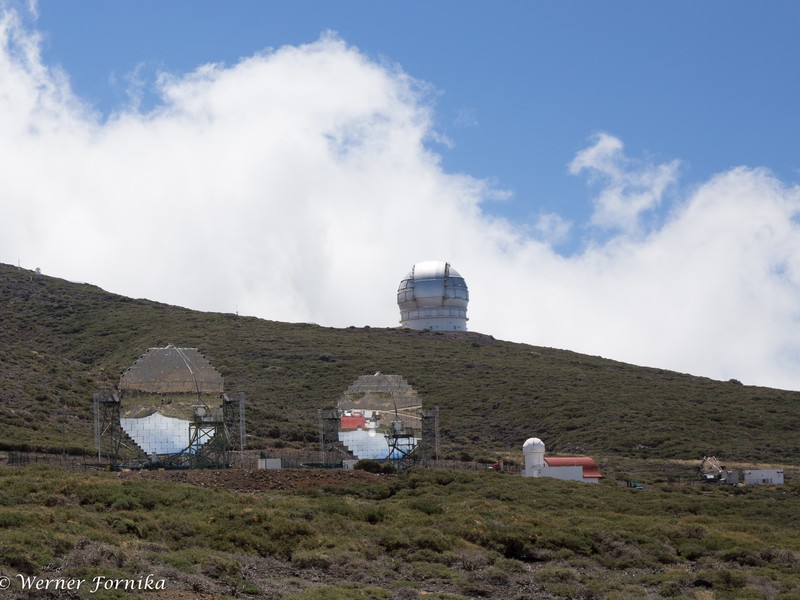
La Palma is a Starlight Reserve. Some of the world's largest telescopes stand on the Roque de los Muchachos. On a guided stargazing tour you'll see the Milky Way more clearly than almost anywhere else.
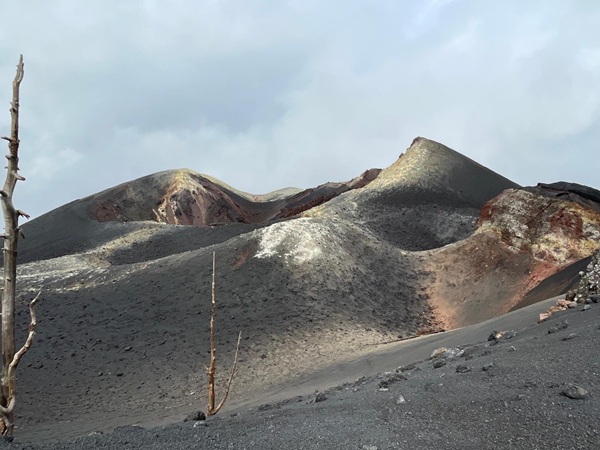
The new volcano
If you'd like to see the Tajogaite volcano up close, you can join a guided tour. In some places you can still see gases escaping and feel the heat.
Getting here: how to reach La Palma
La Palma has an international airport on the east coast, near Santa Cruz. As the island is small, connections aren't all that frequent. Often the route via Madrid is best, and then there's also the port, where several ferries arrive from Tenerife every day.
Direct flights: La Palma airport (SPC) has direct flights from mainland Europe and the UK, especially in the winter season.
Via Madrid: Iberia flies daily from Madrid to La Palma. This is often the best connection.
Via another island: Fly to Tenerife or Gran Canaria and continue with Binter in about 30 to 45 minutes. From Tenerife (Los Cristianos) there are also two ferry routes to Santa Cruz de La Palma.
From the airport to the dive centre in the south takes about 30 minutes by hire car. We definitely recommend hiring a car.
Our home: Fuencaliente
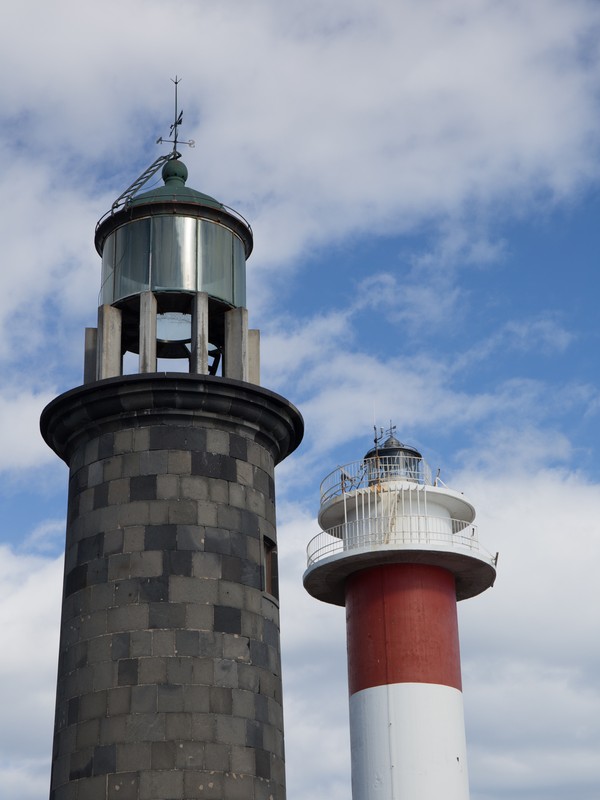
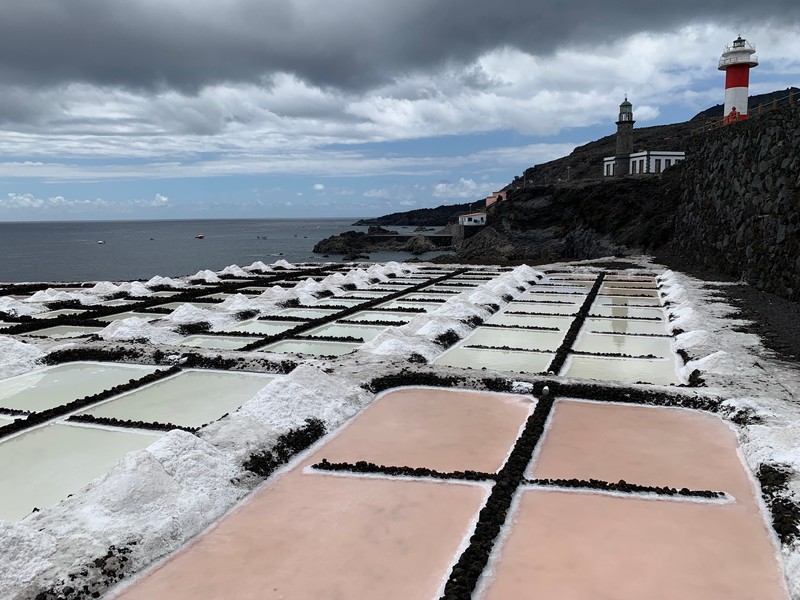
Our dive centre is in Fuencaliente, at the southern tip of the island. This is where the island's most spectacular dive sites are, but that's not all: we have the volcanoes San Antonio and Teneguía, the salt pans, the lighthouses and plenty of other beautiful spots.
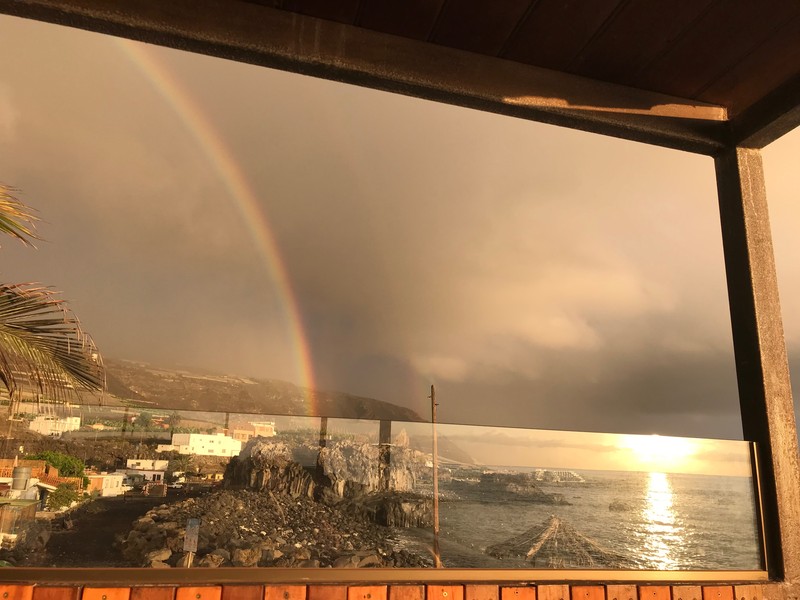
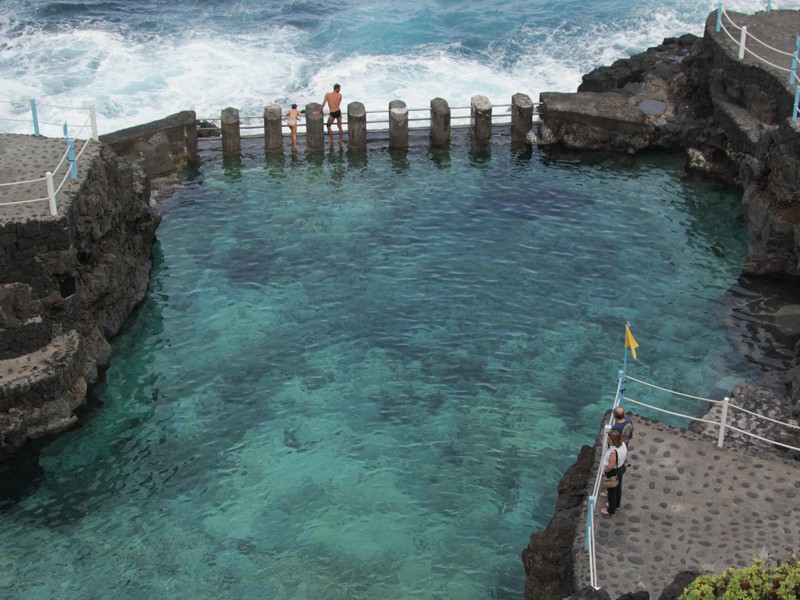
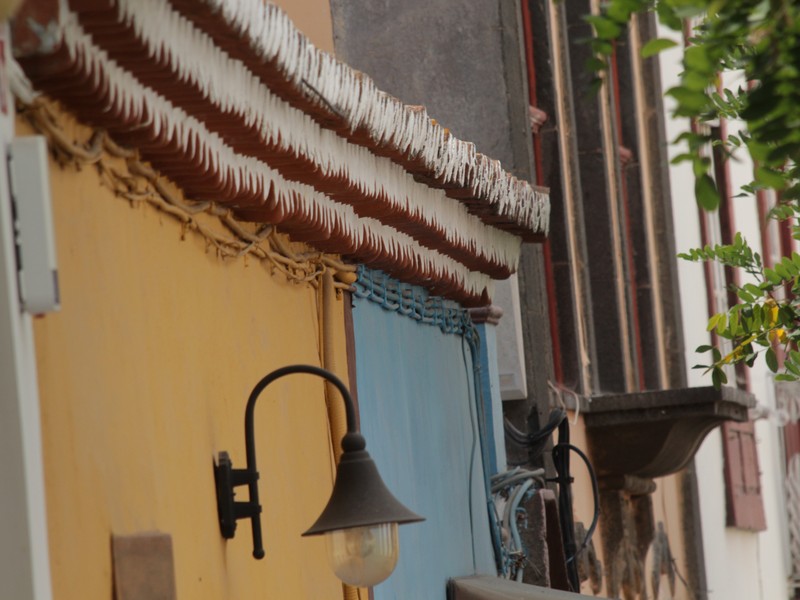
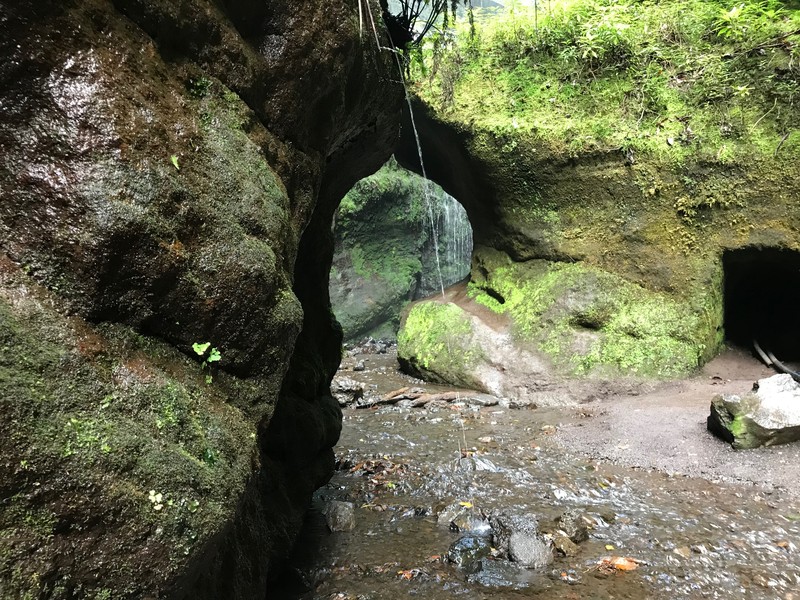
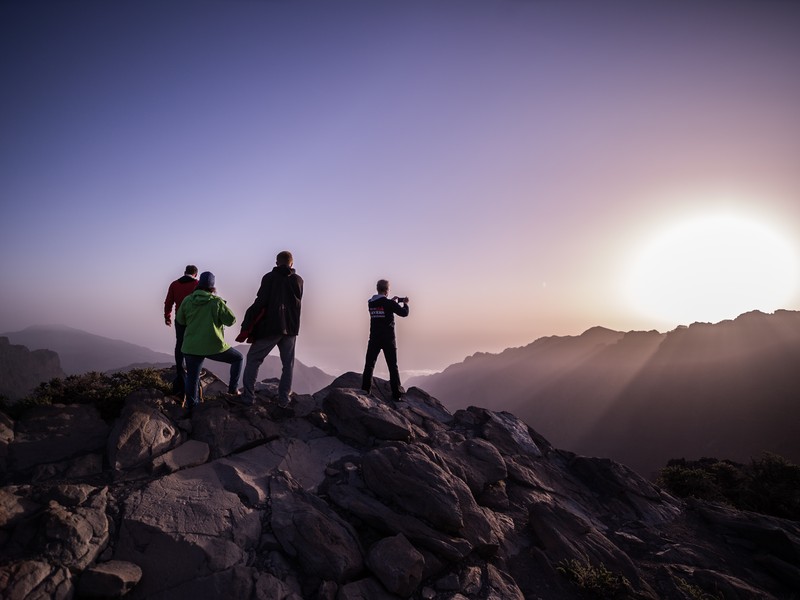
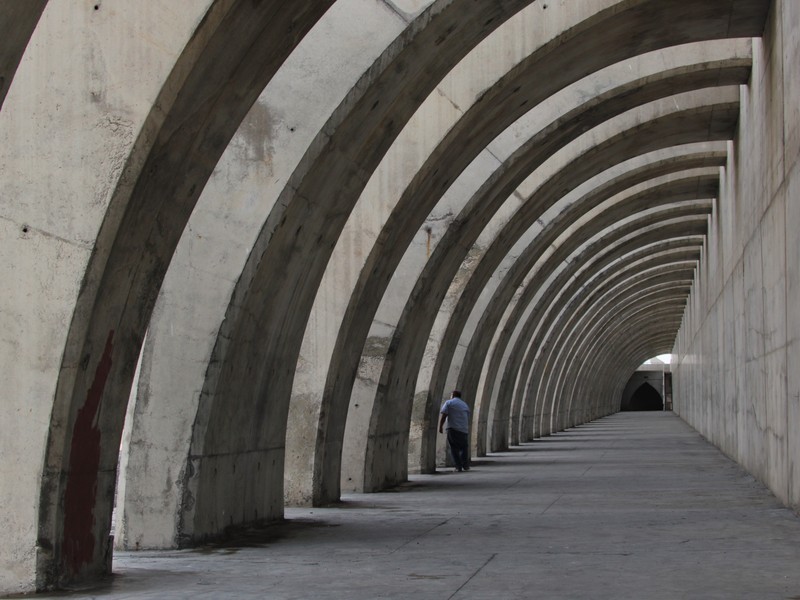
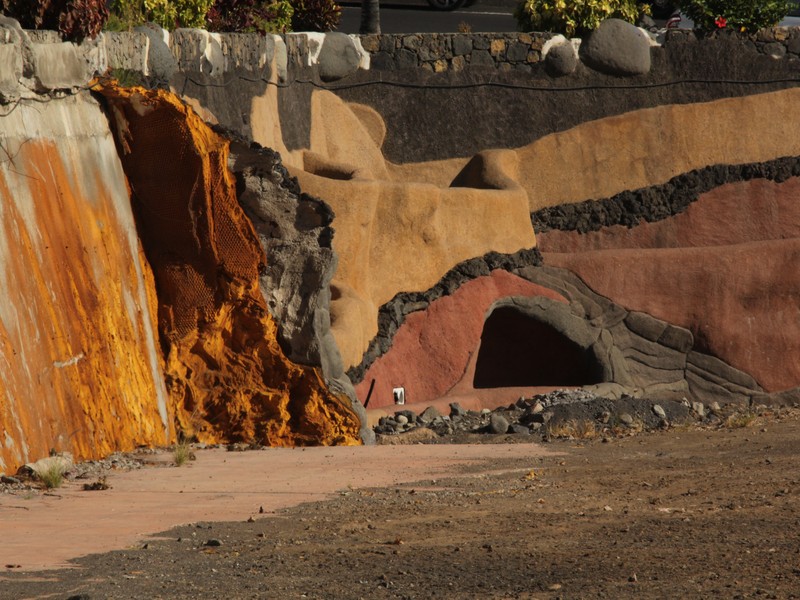
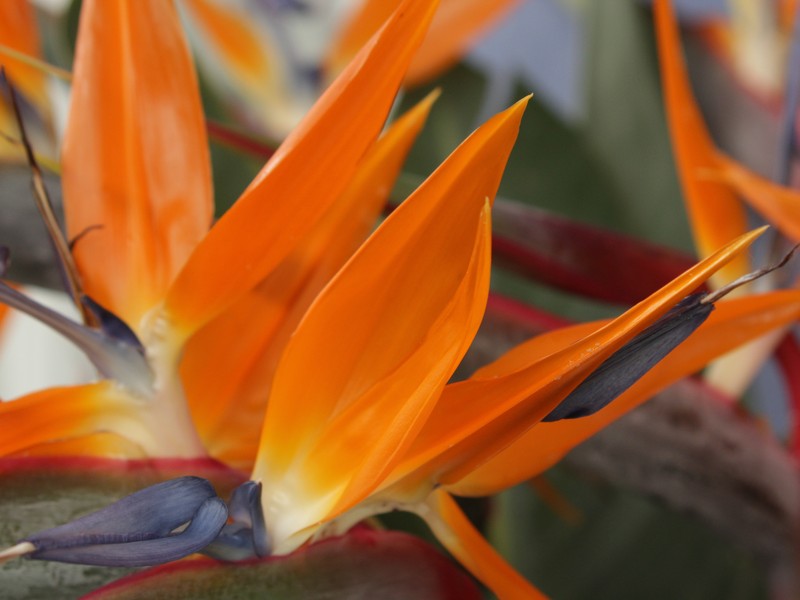
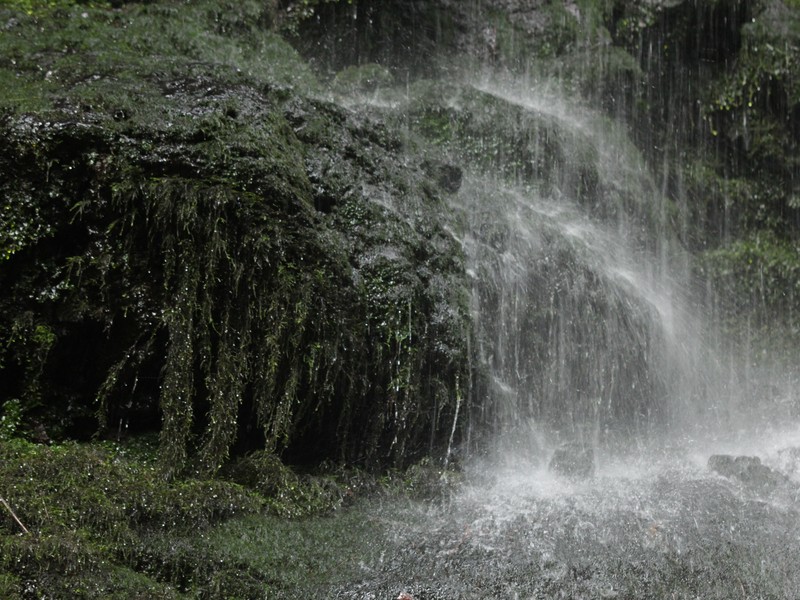
Gallery: La Palma above water
What do you want to do on holiday?
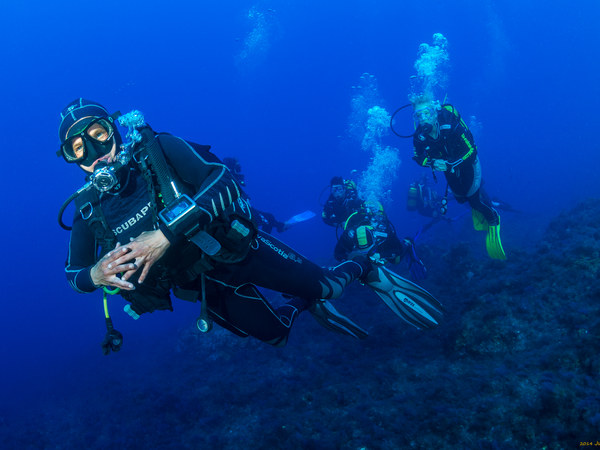
Go diving
How day-to-day diving with us is organised
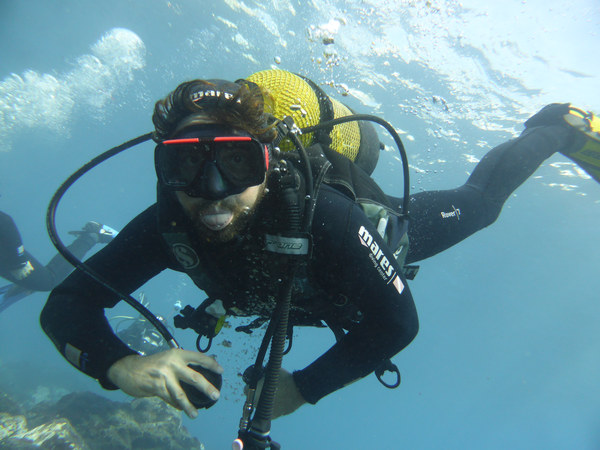
Learn to dive
Learn to dive right in the Atlantic, with us in the south of La Palma
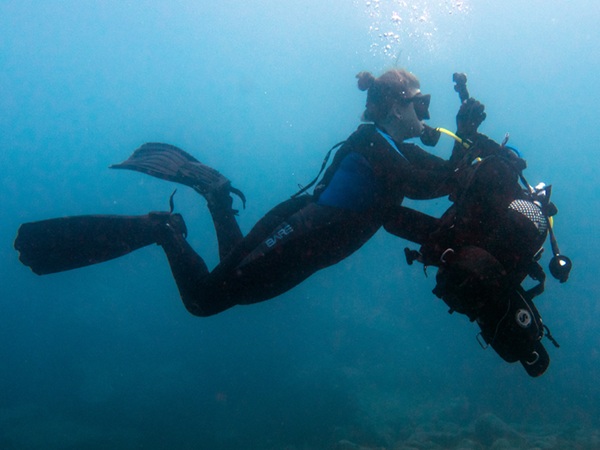
Further training
Got your OWD? What's next?
How do I get in the water?
Easy: just let us know you want to dive, by WhatsApp, phone, email or directly online. We take care of the rest.


